Fourteen centuries · art · primary sources · scholarship

THE HISTORY
OF ISLAM

From the empires of Late Antiquity to the gates of Vienna — a regal, image-led journey through fourteen centuries, ending in an honest reflection on Jesus.

Scroll
A Companion Lecture

Prefer to listen first?

Dr. William Federer's survey of Islamic history pairs well with this guide — a narrated overview before you walk the procession and topics below.

Watch on YouTube
The Procession of Ages

An Odyssey Through Fourteen Centuries

Descend, chapter by chapter, from the exhausted empires of Late Antiquity to the gates of Vienna. Each artifact rises against its own masterpiece; open any chapter for the full, sourced account.

500Chapter I · c. 500–610
Exhibit 01

Arabia in Late Antiquity

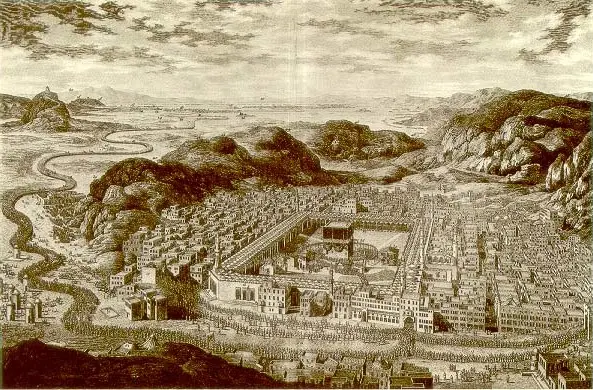
On the eve of Islam, two superpowers — Christian Byzantium and Zoroastrian Persia — had exhausted each other in a generation of war, while the Arabian Peninsula sustained a rich mosaic of pagan, Jewish and Christian belief along its trade routes.

What this meant for Islam

Two exhausted empires and a peninsula of rival faiths created both the opening — and the raw materials — from which Islam would emerge.
595Chapter II · 595–610
Exhibit 02

Khadijah & the First Revelation

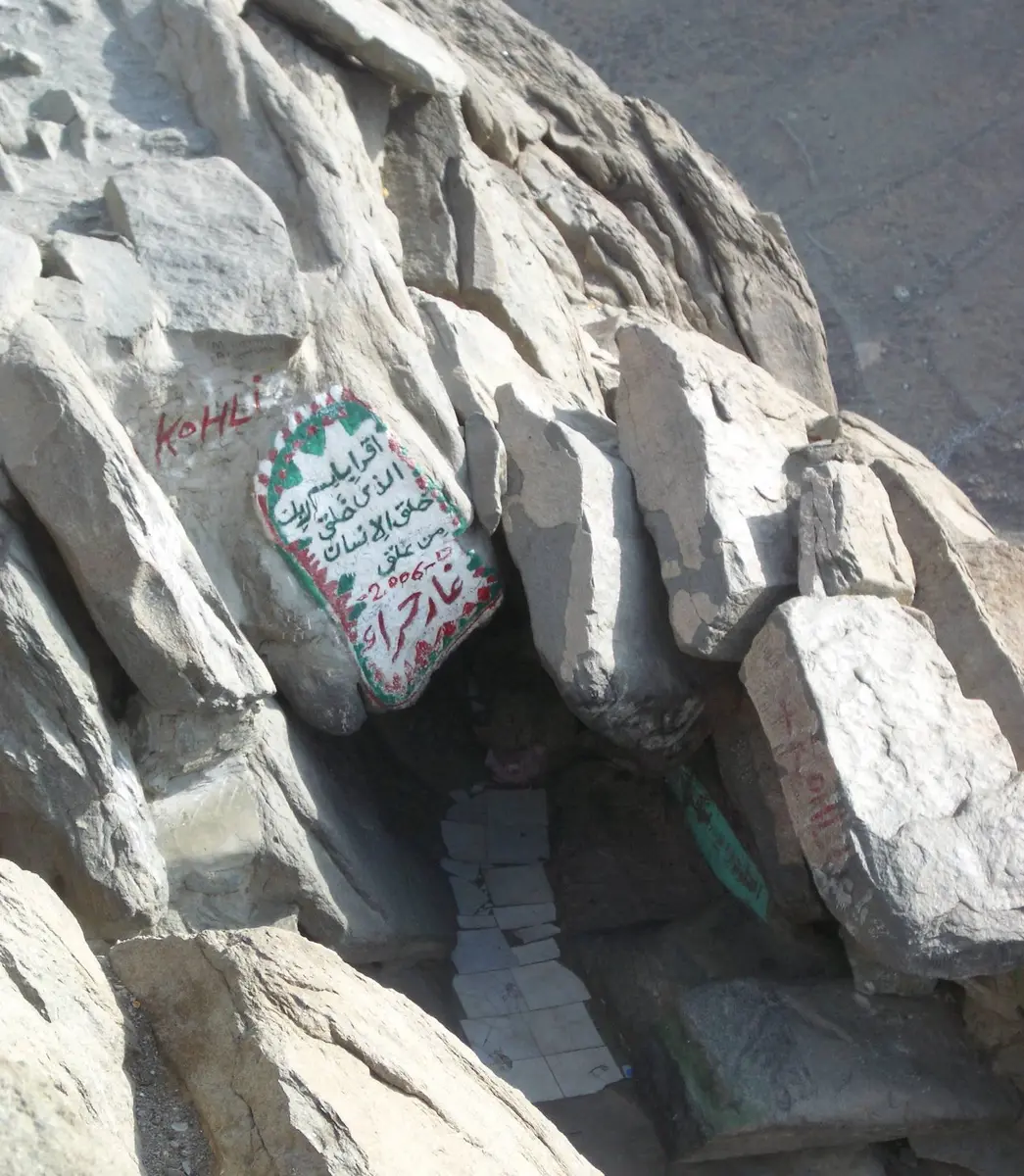
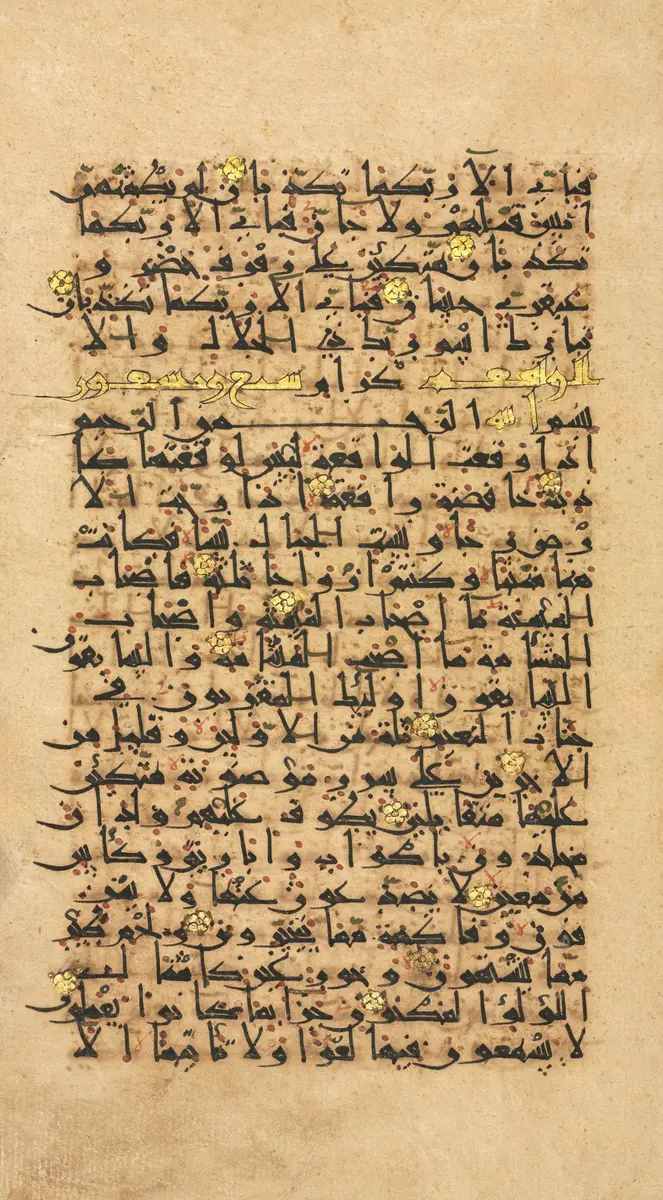
A respected Meccan merchant, married to the wealthy widow Khadijah, retreats to a mountain cave to pray. In 610 he reports an overwhelming encounter and the command 'Recite!' — the beginning of the Qur'an.

What this meant for Islam

Islam's central claim is born — a final, recited revelation with Muhammad as its prophet. Everything that follows grows from this seed.

610Chapter III · 610–622
Exhibit 03

Preaching & Persecution in Mecca

For twelve years Muhammad preaches strict monotheism to a polytheistic, commercially-invested Mecca. The early community stays small and faces mounting hostility; the deaths of his wife and his protector leave him exposed.

What this meant for Islam

Twelve years of rejection forged Islam as a persecuted monotheism — and set up the migration that would turn a message into a movement.

622Chapter IV · 622
Exhibit 04

The Hijra — Birth of a Community-State

In 622 Muhammad and his followers migrate to Yathrib (Medina), invited to arbitrate its feuds. There the movement becomes a polity: the 'Constitution of Medina' binds Muslims, pagans and Jewish clans into one community under his leadership. The year marks Year 1 of the Islamic calendar.

What this meant for Islam

The hinge of the whole story: Islam becomes a community-state. Here faith fuses with political and military power — the template for the caliphate.

624Chapter V · 624–632
Exhibit 05

Badr, the Clans & the Conquest of Mecca

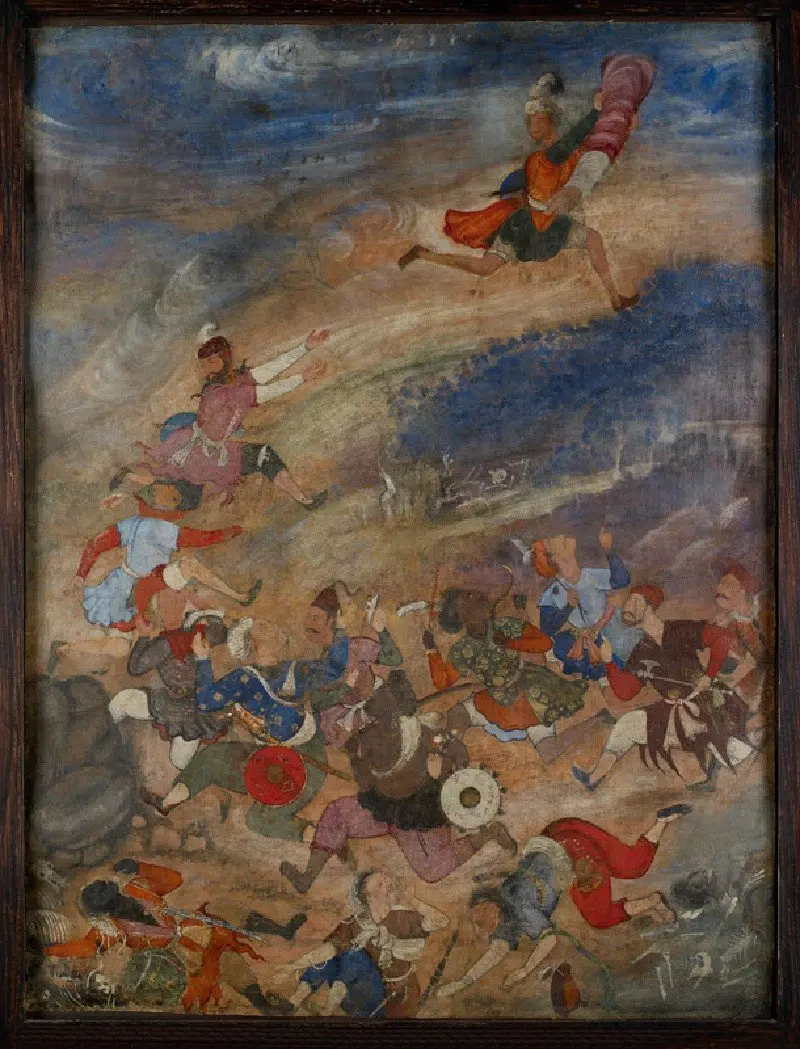
From Medina the community fights for survival and supremacy: victory at Badr (624), reversal at Uhud (625), the Battle of the Trench (627), the successive removal of Medina's three Jewish clans, the truce of Hudaybiyya (628), and the largely peaceful conquest of Mecca (630).

What this meant for Islam

Survival and conquest made the Medinan Muhammad — prophet, ruler and commander — the normative model, establishing that the faith could be defended and spread by the sword.

632Chapter VI · 632–661
Exhibit 06

The Rashidun Caliphate & the Great Conquests

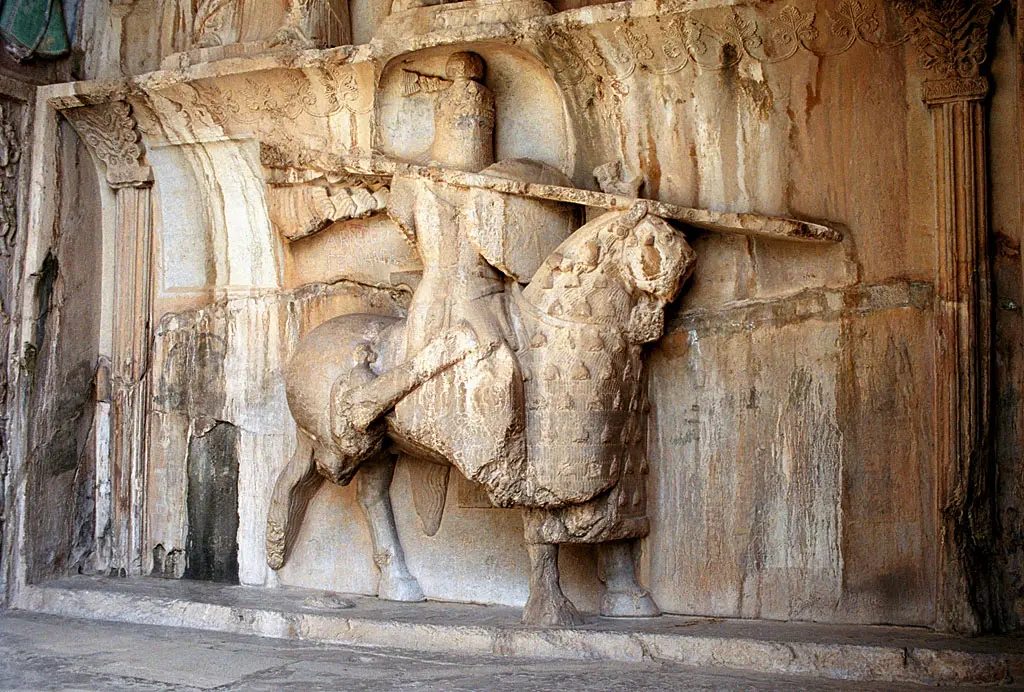
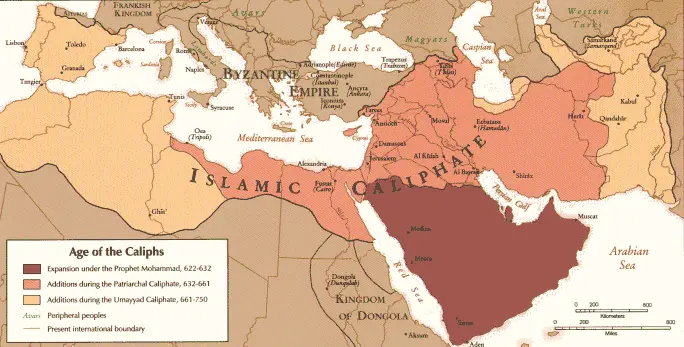
Under the first four caliphs the new state explodes outward, defeating both exhausted empires within a generation: Byzantine Syria and Egypt are taken, and the Sasanian Empire is destroyed. Conquered Christians, Jews and Zoroastrians become protected, tax-paying 'dhimmis.'

What this meant for Islam

In a single generation Islam ceased to be Arabian and became imperial — and the dhimma defined for centuries how it would govern conquered Peoples of the Book.

661Chapter VII · 661–750
Exhibit 07

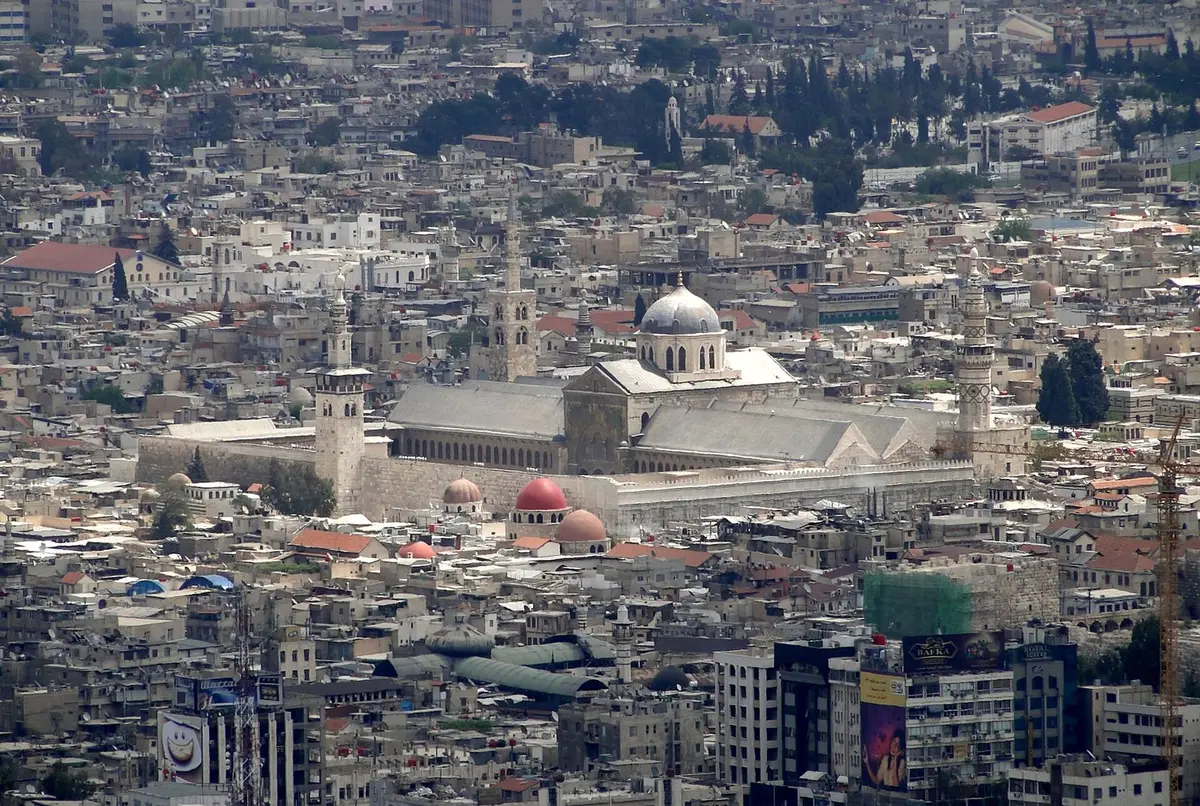
The Umayyad Empire — Spain to the Indus

From their capital at Damascus the Umayyads forge one of the largest empires in history, stretching from the Atlantic to Central Asia. They conquer Visigothic Spain (711), are checked in Gaul at Tours (732), and twice fail to take Constantinople.

What this meant for Islam

Islam became one of history's great empires and a permanent world civilization — even as Tours and Constantinople marked the limits of its expansion.

750Chapter VIII · 750–1258
Exhibit 08

The Abbasid Golden Age & Its Eclipse

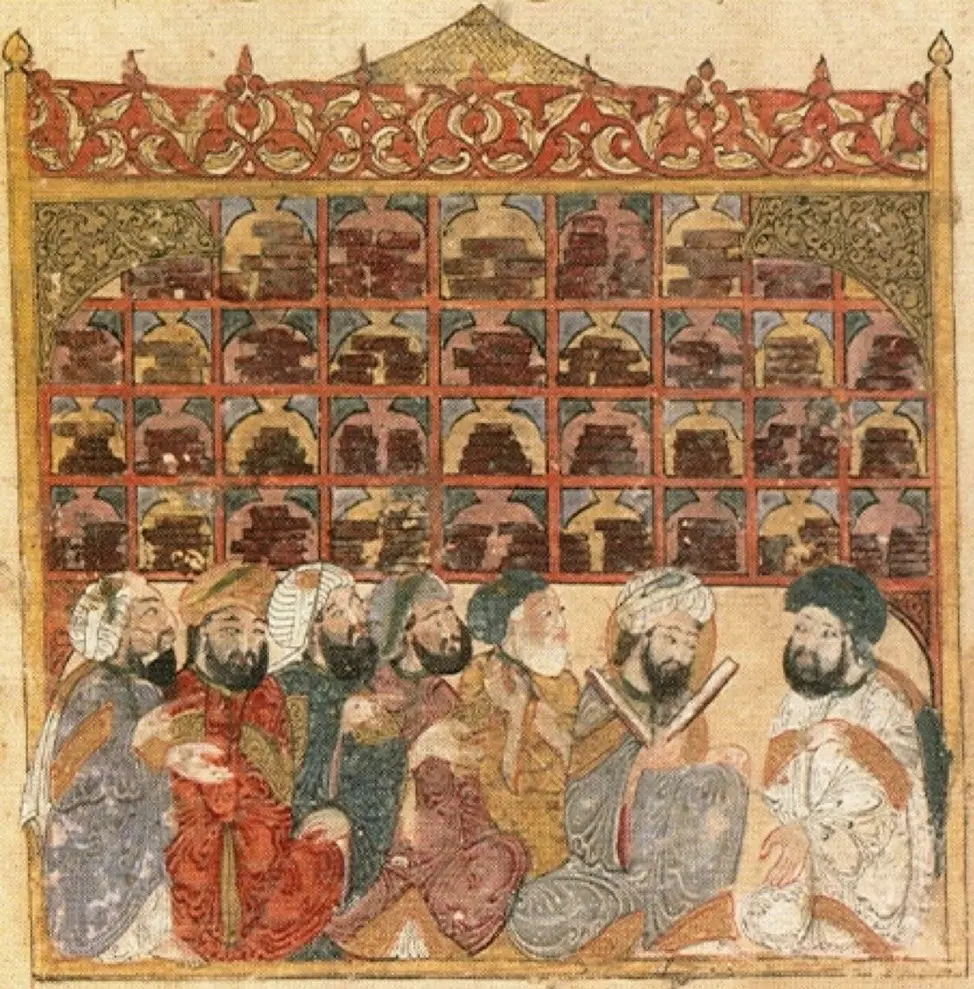
The Abbasids build Baghdad and preside over a brilliant age of translation and science — algebra, medicine, astronomy. Later centuries see fragmentation, fierce theological debate over reason and revelation, and finally the Mongol sack of Baghdad in 1258.

What this meant for Islam

At its zenith Islam led the world in science and learning — its civilizational golden age — before invasion and internal debate shifted its centre of gravity.

1071Chapter IX · 1071–1453
Exhibit 09

Turks, Crusades & the Fall of Constantinople

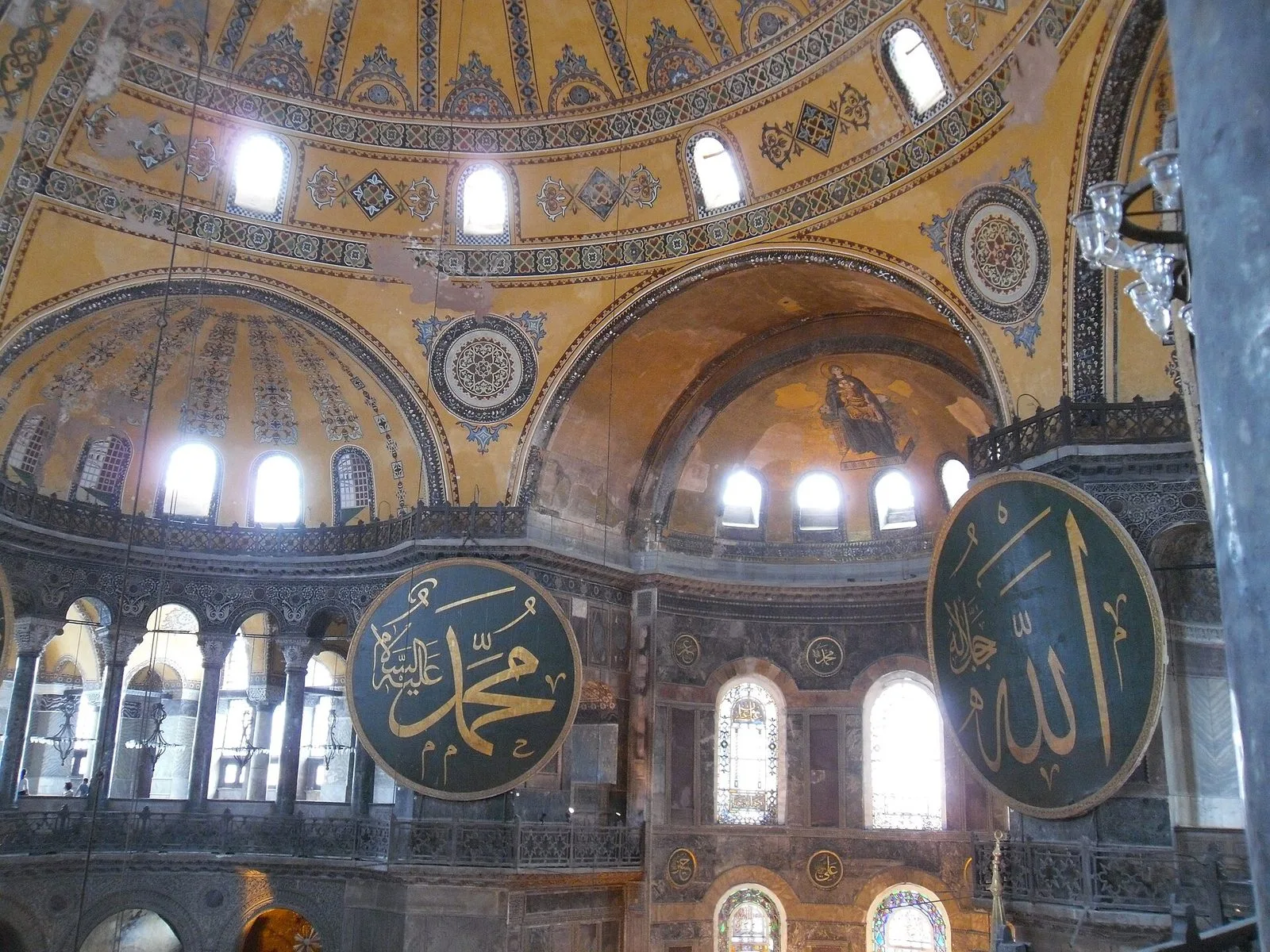
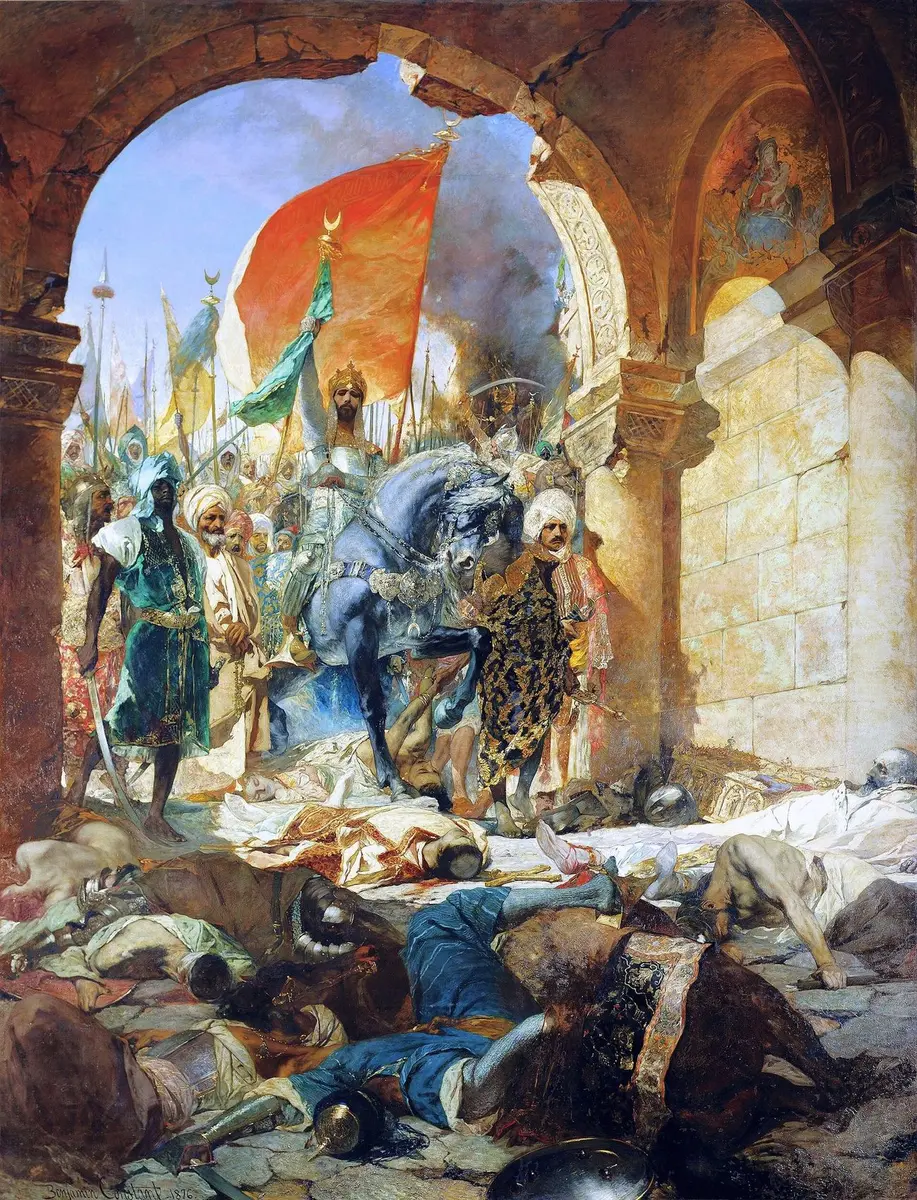
Seljuk Turks shatter the Byzantine army at Manzikert (1071); the desecration of holy sites helps spark the Crusades (from 1095). After two centuries of war the crusader states fall, and in 1453 the Ottomans take Constantinople, converting Hagia Sophia into a mosque.

What this meant for Islam

Centuries of holy war hardened the memory between Islam and Christendom, and the fall of Constantinople crowned the Ottomans as Islam's new sword — reshaping the wider world.

1456Chapter X · 1456–1683
Exhibit 10

Reconquest & the Defense of Europe

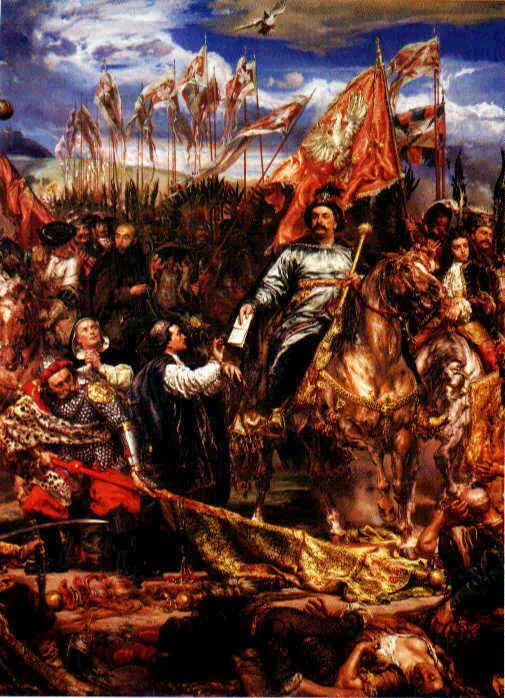
As Ottoman power presses into Europe, a series of decisive stands turns the long tide: the Reconquest of Spain (completed 1492), the defense of Belgrade and Malta, the naval victory at Lepanto (1571), and the breaking of the siege of Vienna (1683).

What this meant for Islam

The long expansion was finally halted at the gates of Europe — closing the age of conquest and opening the slow transition to the modern balance of power.

The Index of Exhibits

The Whole Chronicle, at a Glance

The complete span on a single wall. Search the eras and their primary sources, or select any plate to return to its chapter in the procession above.

The Cabinet of Themes

Topics & Doctrine

Beyond the chronology, a set of recurring themes — each a sourced, scholarly deep-dive. Select any plate to open it.

The Two Figures & the Two Gods

Jesus & Muhammad

Set the two founders side by side and they do not merely differ in style — they point in opposite directions. One claims to be the divine Son who lays down his life for his enemies; the other presents himself as a final human messenger whose path runs from persecuted preacher to military and political leader. Follow each contrast to where the primary sources lead.

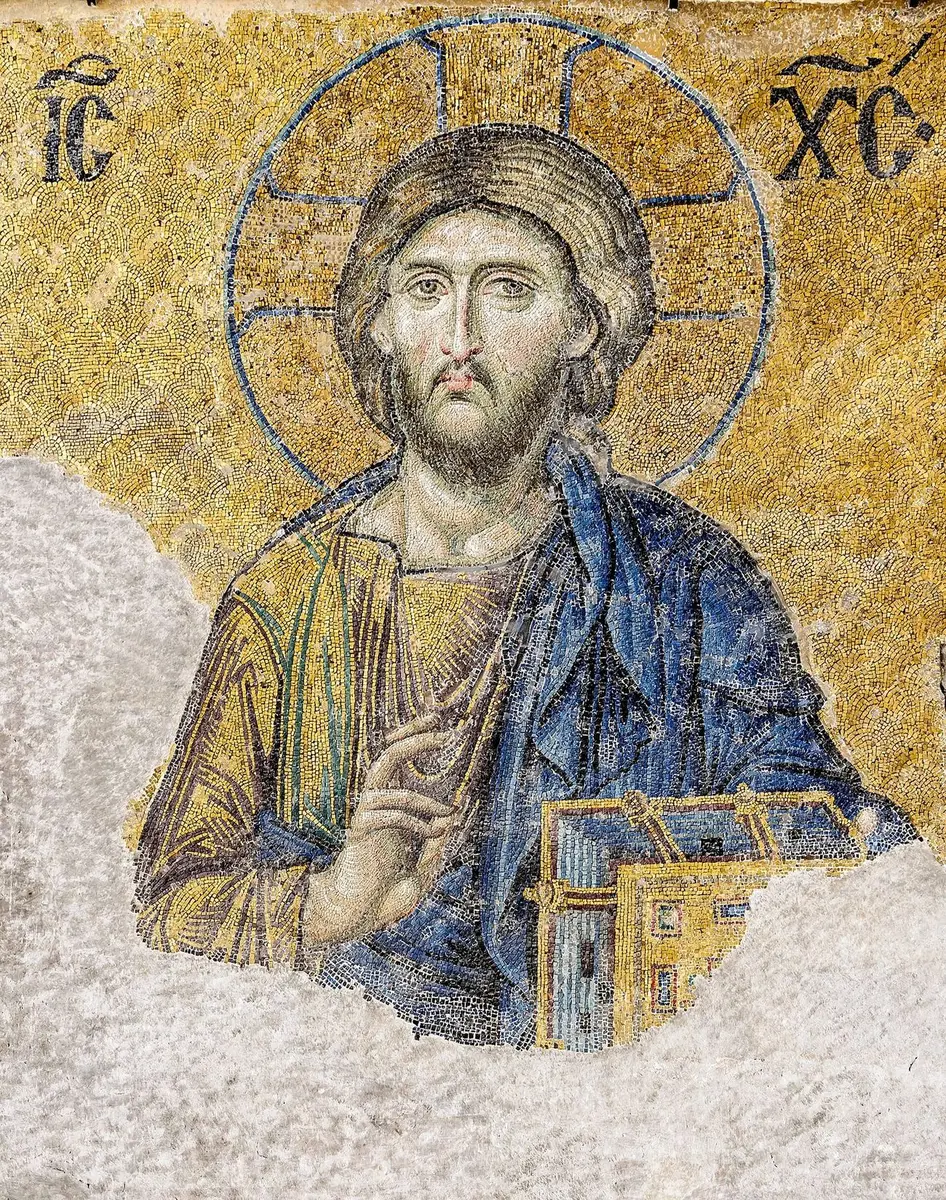
Christ Pantocrator, Hagia Sophia
versus
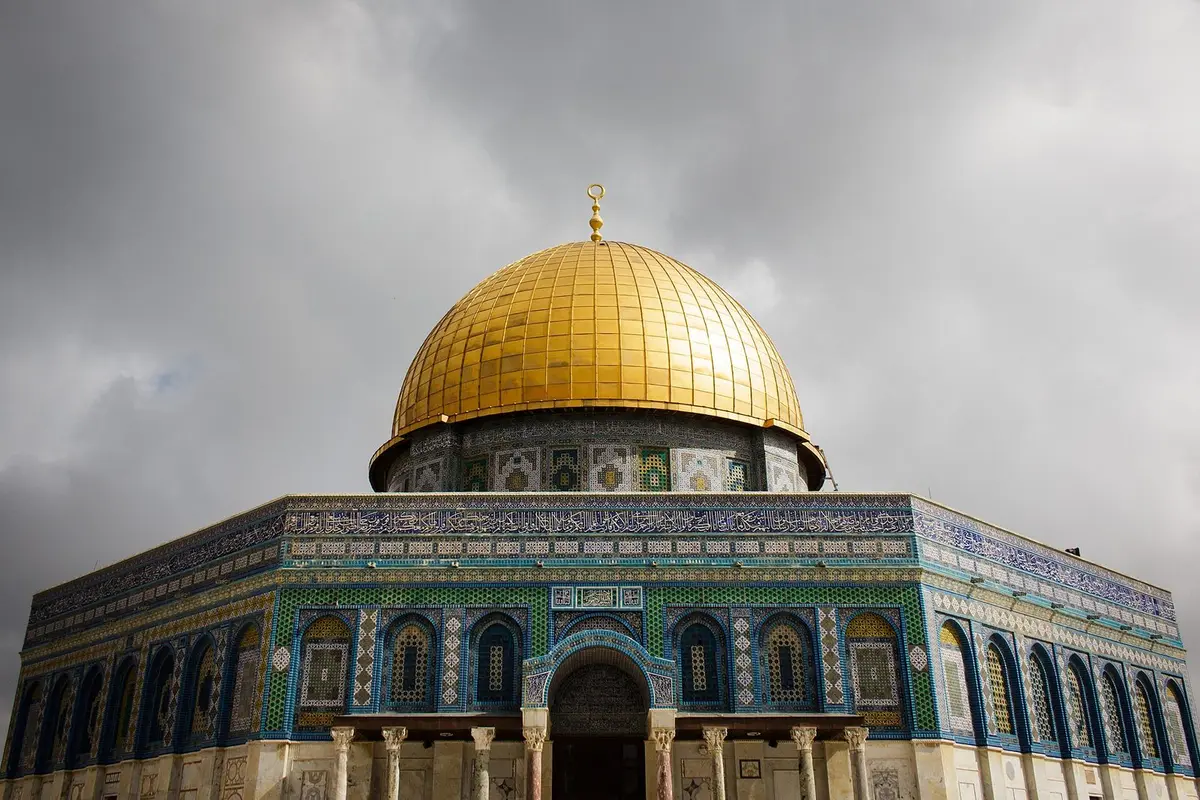
The Dome of the Rock, Jerusalem
The witness leans hereJesusthe Gospels
The witness leans hereMuhammadthe sources
01Self-Claim
Jesus

“Before Abraham was, I AM.” He forgave sins — a prerogative Jews reserved to God alone — and accepted worship: “My Lord and my God.”

John 8:58; Mark 2:5–12; John 20:28
What this shows

Jesus presented himself as more than a prophet — sharing God's identity and his authority to forgive. Both portraits cannot be true about who Jesus is.

Muhammad

“Say: I am only a man like you, to whom it has been revealed…” The seal of the prophets and a pattern for believers — but repeatedly, explicitly human.

Q 18:110; 33:40
02Miracles
Jesus

Healed the blind, raised the dead, stilled storms — and even the Qur'an affirms his life-giving signs: speaking from the cradle, healing lepers, raising the dead by God's leave.

Q 3:49; 5:110
What this shows

Islam's own scripture grants Jesus extraordinary signs of life-giving power and gives Muhammad none comparable. The witness of miracle falls on the side of Christ.

Muhammad

“The signs are only with Allah, and I am only a clear warner.” His sole miracle is the Qur'an itself.

Q 29:50–51; 13:7
03Sinlessness
Jesus

“Which one of you convicts me of sin?” No one does — a sinless life, tested in the wilderness and Gethsemane yet never yielding.

John 8:46; Hebrews 4:15
What this shows

A saviour who needs no saving can stand in the place of sinners. The one commanded to repent cannot stand in another's.

Muhammad

Commanded to seek pardon for himself — “ask forgiveness for your sin” — and told of past faults forgiven, a burden lifted from him.

Q 47:19; 48:2; 94:1–3
04The Way of Power
Jesus

Led no armies. “Love your enemies.” “All who take the sword will perish by the sword.” “My kingdom is not of this world.” He died without retaliation.

Matthew 5:44; 26:52; John 18:36
What this shows

One wins hearts through self-sacrificial love; the other advances by taking ground and establishing dominance through force. The character of the founder shapes the method.

Muhammad

Led and commanded in battle — Badr, Uhud, the Trench, the conquest of Mecca — with clear commands to fight: “kill the polytheists wherever you find them”; fight “until they give the jizyah… while they are humbled.”

Q 9:5; 9:29
05Toward Enemies
Jesus

From the cross: “Father, forgive them, for they know not what they do.” His followers faced lions and swords without taking up arms.

Luke 23:34; Acts 7:60
What this shows

Mercy shown alongside the targeted elimination of opponents is the pattern of a warrior-prophet consolidating power. Love that absorbs evil rather than answering it in kind is the signature of God's own heart.

Muhammad

A general amnesty at the conquest of Mecca — yet specific critics were executed or assassinated on his orders, and the men of Banu Qurayza put to death after their surrender.

earliest Sira & Hadith
06Death & After
Jesus

Crucified — among the best-attested facts of ancient history, confirmed even by Josephus and Tacitus — and, Christians proclaim, risen, with an empty tomb and disciples transformed from fearful to bold.

1 Corinthians 15
What this shows

One conquered death and left an empty tomb; the other remains in his grave. Only a living Lord can give life.

Muhammad

Died of illness at Medina in 632; his tomb is venerated beneath the Green Dome to this day. No resurrection is claimed.

07Foretold
Jesus

Fulfilled 300+ specific prophecies written centuries before — Bethlehem, the virgin birth, the suffering servant.

Micah 5:2; Isaiah 7:14; 53; Daniel 9
What this shows

No prior scripture unambiguously names Muhammad; the “prophet like Moses” and Paraclete claims fail contextual and historical tests. The whole prophetic record points to Jesus — not beyond him.

Muhammad

The Qur'an claims earlier scriptures foretell “Ahmad,” citing Deuteronomy 18 and the Paraclete — but the first speaks of a prophet from among Israel, and the second of the Spirit who came to the disciples soon after, not six centuries later in Arabia.

Q 7:157; 61:6
08Assurance
Jesus

“I give them eternal life, and they shall never perish, and no one will snatch them out of my hand.”

John 10:28
What this shows

Islam's own founder confessed he had no personal assurance of salvation. Jesus offers others what Muhammad could not claim for himself.

Muhammad

“I do not know what will be done with me or with you. I only follow what is revealed to me.”

Q 46:9
09Personal Desire & Accommodation
Jesus

The Gospels record no teaching or “revelation” that served Jesus' romantic, financial, or political interest. He lived simply, faced temptation without yielding, and called always for self-denial.

Matthew 4:1–11
What this shows

A revelation that resolves the prophet's private desire and changes religious norms in his favour. The self-referential pattern recurs across the Medinan verses.

Muhammad

When Zayd divorced Zaynab — his adopted son's wife, to whose beauty the earliest Sira says he was drawn — a revelation gave her to him in marriage and altered the rules on adoption: “We married her to you…”

Q 33:37; earliest Sira; cf. 33:50
10Violence & Subjugation
Jesus

An explicit ethic of non-retaliation and enemy-love: “Turn the other cheek.” “Pray for those who abuse you.” He never armed his followers for the kingdom.

Matthew 5:38–48; Luke 6:27–36
What this shows

One models and commands enemy-love and a voluntary response; the other includes divine mandates for combat and subjugation. The difference is not incidental — it flows from the sources.

Muhammad

Repeated commands to fight until dominance — “fight until religion is for Allah” — worked out in raids, battles, executions of critics, and the subjugation of the conquered.

Q 8:39; 9:5; 9:29; 61:4

Sources — Jesus: the Gospels, the earliest material dated c. 30–70 AD and linked to eyewitnesses. Muhammad: the Qur'an, with the earliest Sira (Ibn Isḥāq) and the Hadith collections compiled in the 8th–9th centuries. Every claim below is drawn from these primary texts.

Christ Pantocrator
The Verdict · Two Figures, Two Paths

Why He is more than a prophet

Read carefully, the sources do not offer two versions of one message. Jesus reveals a God who enters history in humility, forgives his enemies from the cross, offers grace no one can earn, and seals the claim by walking out of his tomb — a movement that spread by persuasion and martyrdom. Prophets point away from themselves to God; Jesus pointed to himself and said, “I am the way.” The sinless life, the miracles even the Qur'an concedes, and the empty tomb leave only one verdict: God with us.

By the prophet's own tests

Muhammad presents a final human messenger whose career and revelations include warfare as divine command, accommodations for his own desires, explicit pleas for forgiveness of his sin, and no assurance of his own salvation. And the Qur'an itself affirms the earlier scriptures (Q 3:3–4; 5:47) — which sharpens the dilemma: if those scriptures are reliable, their portrait of Jesus and of true prophethood cannot be reconciled with his; if they are corrupted, the Qur'an's own claim collapses. By Scripture's own tests, the witness does not point beyond Christ to another.

I am the way, and the truth, and the life. No one comes to the Father except through me.

John 14:6
Two Visions of God

One Word, Two Gods

Beyond history lies the deeper divide. Both faiths say “one God” — yet describe him, and our access to him, in opposite directions.

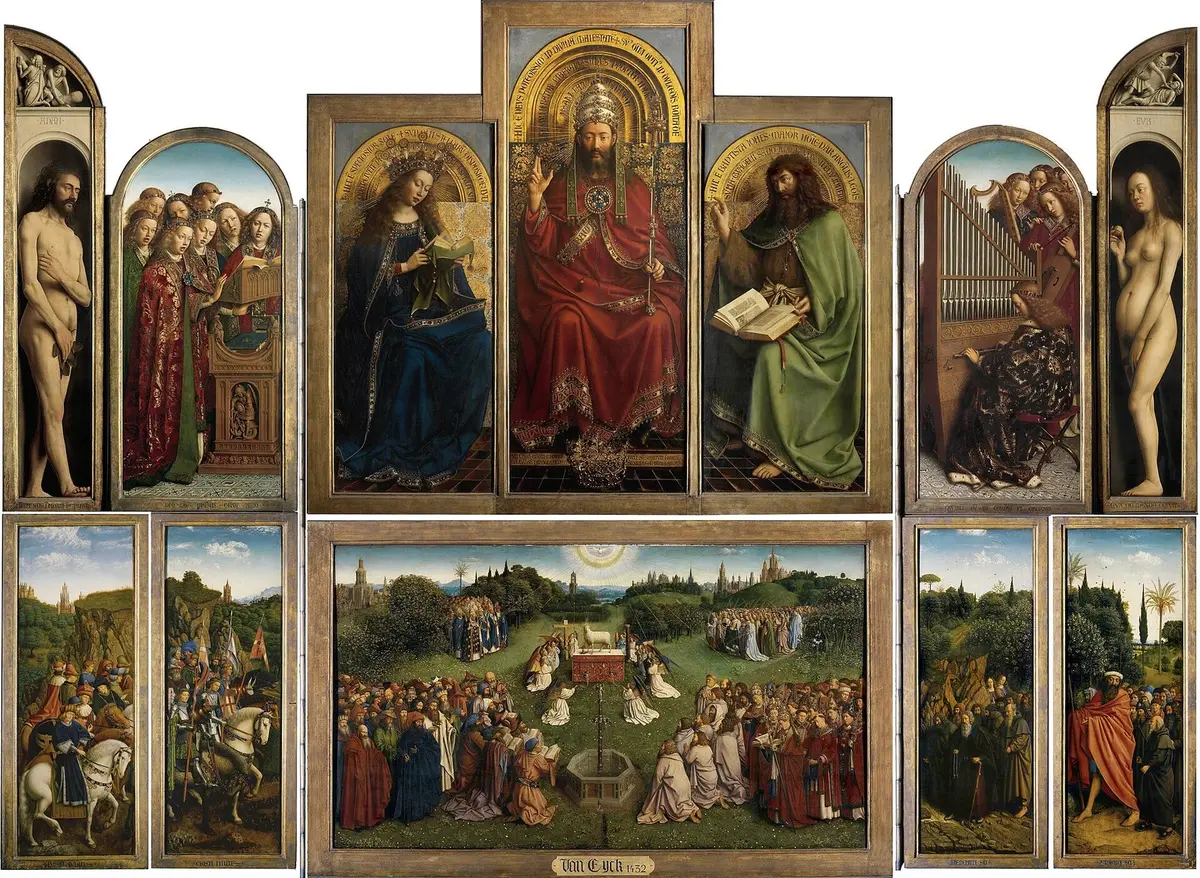
The Adoration of the Mystic Lamb (van Eyck)
versus
The Umayyad Mosque, Damascus
The witness leans hereChristianity
The witness leans hereIslam
01Nearness
Christianity

God draws near as Father; he can be known, and loved.

What this shows

The deepest human longing is not for a distant ruler but for a Father. Only one vision offers him.

Islam

Allah is utterly transcendent — a master to be obeyed, not a Father to be known.

02His Very Nature
Christianity

“God is love” — love is his eternal being

1 John 4:8
What this shows

In the gospel, love is who God is; in Islam it is one trait among many, granted or withheld.

Islam

Among 99 names, al-Wadūd (“loving”) is one attribute — and his love is conditional.

03The Triune Life
Christianity

One God in Father, Son and Spirit — eternal love within God himself.

What this shows

Only a God who is more than a single person could have been love before the world began. A solitary God had no one to love.

Islam

Absolute, solitary oneness (tawḥīd) — no relationship within God.

04Human Dignity
Christianity

Humanity made in God's image — every person of immeasurable worth.

What this shows

Our worth rests on bearing God's image — a foundation Islam's theology cannot lay in the same way.

Islam

God has no image or likeness; the gulf between Creator and creature is absolute.

05The Cross
Christianity

God himself comes down and bears our sin in person.

What this shows

A God too proud to suffer cannot rescue. The cross is not weakness but love refusing to stay at a distance.

Islam

God would never stoop so low; the crucifixion is denied

Q 4:157
06Salvation
Christianity

A finished gift, received by faith — and so, assurance and peace.

What this shows

One gospel ends in peace; the other in an unweighed scale and a hope tilted toward fear.

Islam

Earned through submission and the scale of deeds, with mercy at God's discretion.

Which God Will You Have?

Both faiths speak of one God — but point in opposite directions. One is a single, unreachable will who weighs your deeds from afar. The other is a Father who is love in his very being, who came near, who bore the cost himself, and who can be known. This is the question beneath all the history: if God were willing to come down — to be known, and to carry your wrong himself — would you want him?

And the Word became flesh and dwelt among us, and we have seen his glory.

John 1:14
Share the Case

The Case in 60 Seconds

Three contrasts. One conclusion. Pass it on.

01 · Who he claimed to be
Jesus

“Before Abraham was, I AM.”

Muhammad

“I am only a man like you.”

02 · What followed his death
Jesus

An empty tomb — risen.

Muhammad

A grave, venerated to this day.

03 · The assurance offered
Jesus

“I give them eternal life.”

Muhammad

“I do not know what will be done with me.”

I am the way, and the truth, and the life. No one comes to the Father except through me.

John 14:6
The Reckoning

The Islamic Dilemma

The history points to a single, unavoidable tension. The Qur'an honours the Gospel as Allah's revelation — and then denies its heart. Ten dilemmas follow from that one fact, each Muslim response presented fairly and tested respectfully.

Surah 5:47

The Qur'an commands Christians to judge by the Gospel

Surah 6:115

Allah's words cannot be altered

History

The Gospel is preserved in manuscripts older than Islam

Surah 4:157

Yet the Qur'an denies the Gospel's very centre

Both cannot be true. That is the dilemma.

Ten Dilemmas
The Tribunal of Evidence

Weighed as in a Court of Law

FaithScore does not grade on sentiment. It weighs each faith the way a court weighs evidence — demanding documentation, corroboration and testability before a claim is believed. Read through that lens, a score is not an opinion; it is a burden of proof met, or unmet. FaithScore.org applies this standard to 313+ belief systems. Here are the verdicts for Christianity and Islam.

96/ 100
ChristianityBeyond reasonable doubt
vs
58/ 100
IslamPreponderance only

Tried against the same six criteria, the verdicts could hardly differ more. Christianity clears the bar of admissibility on all six counts — beyond reasonable doubt. Islam reaches it on only one, and beyond reasonable doubt on none.

Christianity Islam Court bar (75)

The Six Criteria, Side by Side

Each criterion is scored 0–100 by FaithScore.org. The dashed gold line marks the court bar (75) — a case must clear it to be admissible. Tap any row for the reasoning.

The Ladder of Proof

A court does not weigh faith by feeling — it asks whether a claim meets a burden of proof. The dashed line marks 75, the threshold of admissibility; below it, evidence would not hold up in court.

Christianity · 96
Islam · 58
Inadmissible Preponderance Clear & convincing Beyond doubt

⟵ weaker evidence · stronger evidence ⟶

The Court's Reading

Set side by side as exhibits, the cases diverge sharply. Christianity clears the highest bar — beyond reasonable doubt — on all six counts. Islam clears that highest bar on none, and reaches the line of admissibility (75) on just one count, Historical Accuracy; its case for Internal Consistency (45) and Doctrinal Coherence (50) falls below the bar entirely — evidence that, by this standard, would not hold up in court.

Scores and reasoning are reproduced from FaithScore.org's published, court-like analysis. Interpretive framing of FaithScore's stated 'court-like evidentiary standard.' Legal burdens of proof (preponderance ≈ 51%, clear & convincing, beyond reasonable doubt ≈ 90%+) are descriptive analogies, not a literal courtroom verdict.

Questions & Answers

Common Questions

Short, honest answers to the questions most people bring to this history — and to the faith that runs through it.

The Islamic Dilemma is the observation that the Qur'an repeatedly affirms the Torah and the Gospel as the revealed, preserved word of God (e.g. Surah 5:47; 10:94) — yet denies the very heart of that Gospel: the crucifixion, the resurrection, and the divine sonship of Jesus. If the earlier Scriptures were corrupted, the Qur'an commanded people to obey a corrupted book; if they were preserved, they contradict the Qur'an. Both cannot be true at once.

Common Ground & an Open Door

The Question Beneath the History

History points to a person. Islam already honours him more highly than almost anyone — which makes the final question unavoidable.

Christ Pantocrator, mosaic of the Deësis, Hagia Sophia

Common Ground — and the Parting of Ways

It surprises many that the Qur'an honours Jesus — ʿĪsā — more highly than almost any figure but Muhammad. Any honest conversation can begin here, on shared ground.

What Islam affirms about Jesus

  • Born of the virgin Mary (Maryam), by the word of God (Qur'an 19; 3:47)
  • The Messiah (al-Masīḥ), and 'a word from God' and 'a spirit from him' (4:171)
  • Sinless, and a worker of miracles — healing the blind, raising the dead by God's leave (3:49)
  • Taken up to God, and returning before the end of the age

Where the paths diverge

Yet at the centre the two faiths part. Islam denies that Jesus was crucified, denies the resurrection, and denies his divine sonship; to 'associate a partner' with God (shirk) is named the one unforgivable sin.

They did not kill him, nor did they crucify him; but it was made to appear so to them.

Qur'an 4:157

They have disbelieved who say, 'God is the Messiah, son of Mary.'

Qur'an 5:72

Questions worth sitting with

  • If God is utterly transcendent and unknowable, can he also be a Father who can be known — and loved?
  • Islam alone among world faiths says the sinless Messiah will return. Why him? What does that say about who he is?
  • Can a scale of deeds ever give you assurance — or only hope tilted toward fear?
  • The earliest, best-attested fact about Jesus in history is his crucifixion. What if the cross is not a defeat to be denied, but the very point?
Jan van Eyck, 'Adoration of the Mystic Lamb,' Ghent Altarpiece (1432)

An Invitation

Not an argument to win, but a door left open. If something here has made you wonder, you are welcome to keep wondering — and, if you wish, to take a first step.

The tradition records that even Muhammad said, 'I do not know what will be done with me.' The gospel makes a different and startling claim: that you can know — not because you have earned it, but because Another has paid.

The thread of the Lamb

From its first pages the Bible tells one story: a just God who must judge sin, and a loving God who provides a substitute to bear it. Watch the thread run:

  • In Eden, God clothes the guilty in the skin of an animal that died in their place.
  • Abraham tells Isaac, 'God himself will provide the lamb.'
  • At Passover, the lamb's blood on the doorframe turns away judgment.
  • John the Baptist points and says, 'Behold, the Lamb of God, who takes away the sin of the world.'

Christians do not believe they reach God by becoming good enough. They believe the Lamb has already borne the judgment — and that grace, received, sets a person free to love.

A question to carry

If God were willing to come near — to be known, and to carry the cost of your wrong himself — would you want to know him? You lose nothing by asking him, honestly and in private, to show you what is true.

A prayer, if you are ready

God, I want to know you as you truly are. If Jesus is who he says he is, show me. Forgive what I have done wrong. I trust the Lamb who took my place. Make yourself known to me, and lead me home.

a prayer you can make your own
A gentle next step: read the Gospel of John slowly (it is short, and it is about light and life). Many former Muslims describe a dream of Jesus — you might simply ask. And if you would like to talk with someone confidentially, seek out a quiet, trustworthy follower of Jesus near you.
With Gratitude

Honoring the Source

This site stands on the shoulders of others. It is an independent companion built to point you toward their work — not to replace it. Please go to the originals.

Federer
Read the full history

What Every American Needs to Know About the Qur'an

William J. Federer's bestselling history — A History of Islam & the United States. If this guide has been worth your time, the book goes deeper. Supporting it supports the work that made this possible.

Get the Book

An independent educational companion. Not affiliated with or endorsed by the author or the sources cited; all names and trademarks belong to their respective owners.

The Sources

References & Further Reading

Primary Islamic Sources
  • The Qur'an (Sahih International, Yusuf Ali, Pickthall) — incl. 2:106; 2:256; 4:157; 4:171; 5:72; 9:29; 19; 33:21; 46:9; 53:19–20
  • Ṣaḥīḥ al-Bukhārī & Ṣaḥīḥ Muslim — the principal Sunni hadith collections
  • Ibn Isḥāq / Ibn Hishām — Sīrat Rasūl Allāh (the earliest biography)
  • al-Ṭabarī — History of the Prophets and Kings; al-Balādhurī — Futūḥ al-Buldān
  • Reliance of the Traveller — classical Shāfiʿī legal manual
Academic & Historical References
  • Hugh Kennedy — The Great Arab Conquests; Fred Donner — Muhammad and the Believers
  • Ira M. Lapidus — A History of Islamic Societies; Patricia Crone — studies of early Islam
  • Jonathan A. C. Brown — Hadith; Wael Hallaq — An Introduction to Islamic Law
  • Steven Runciman & Thomas Asbridge — the Crusades; Roger Crowley — 1453 & Empires of the Sea
  • Bernard Lewis — Race and Slavery in the Middle East; Robert Davis — Christian Slaves, Muslim Masters
  • Encyclopaedia of Islam, Encyclopaedia Britannica & Oxford Islamic Studies Online
© A Visual History — built for clarity and referencePresents historical facts from primary sources; consult the originals.